

Project Overview
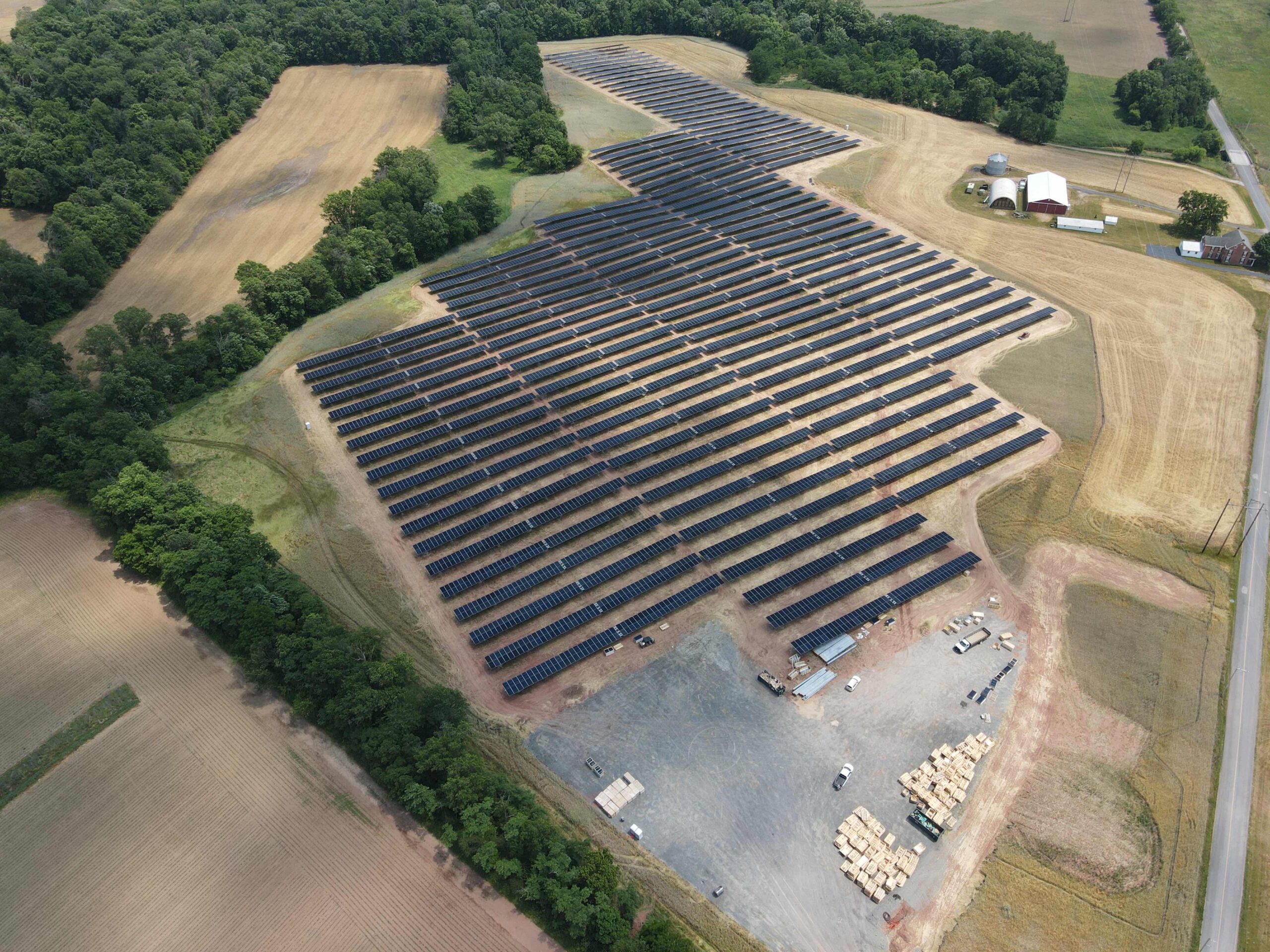
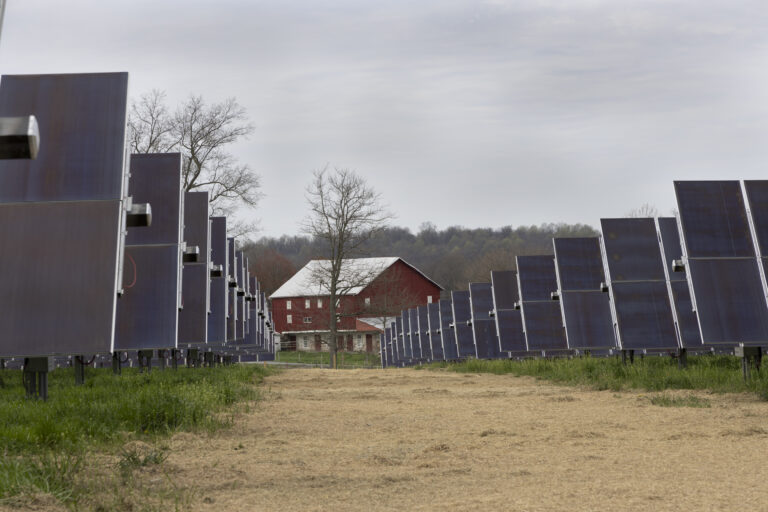
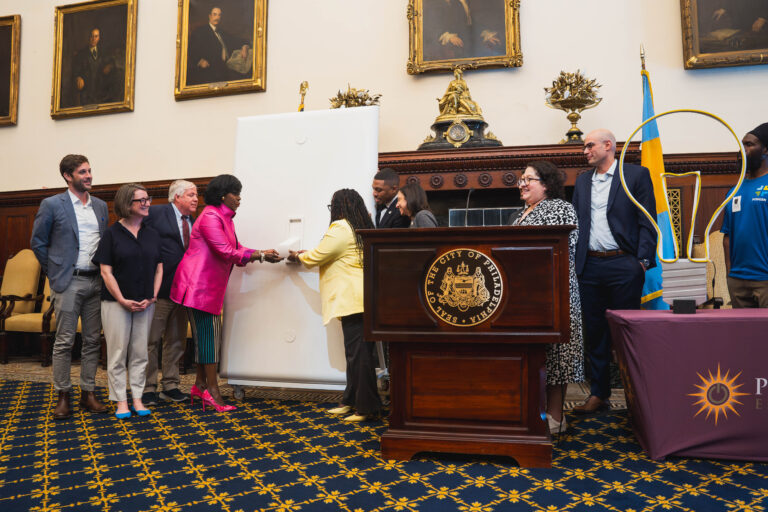
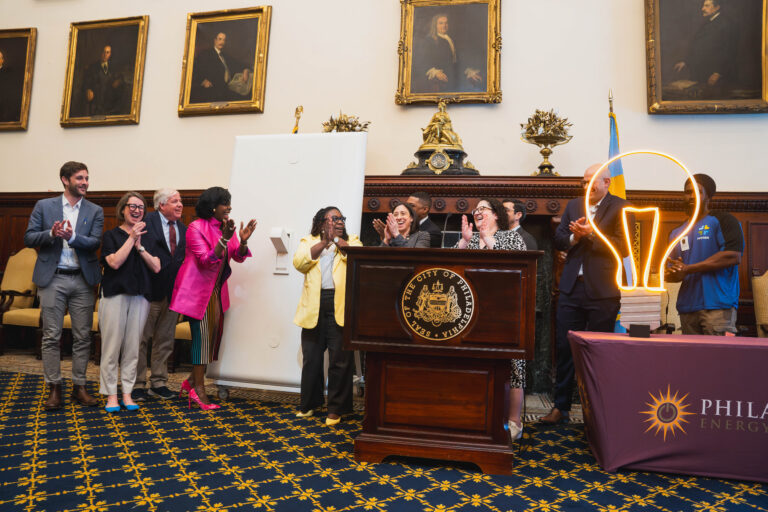
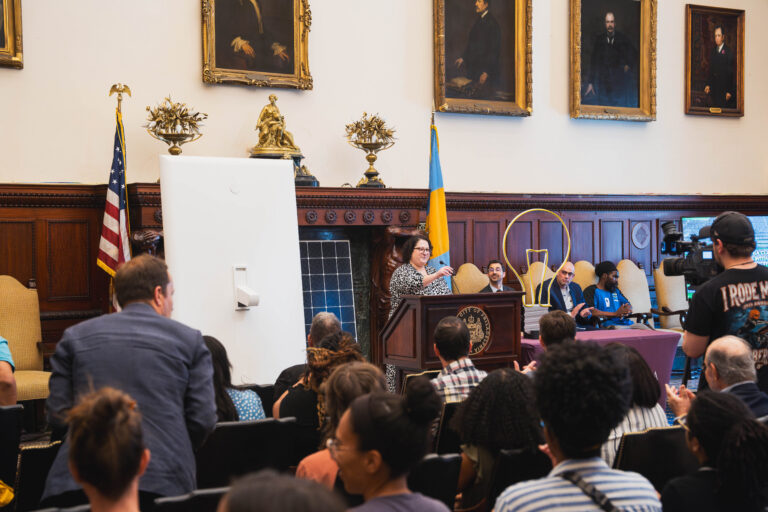
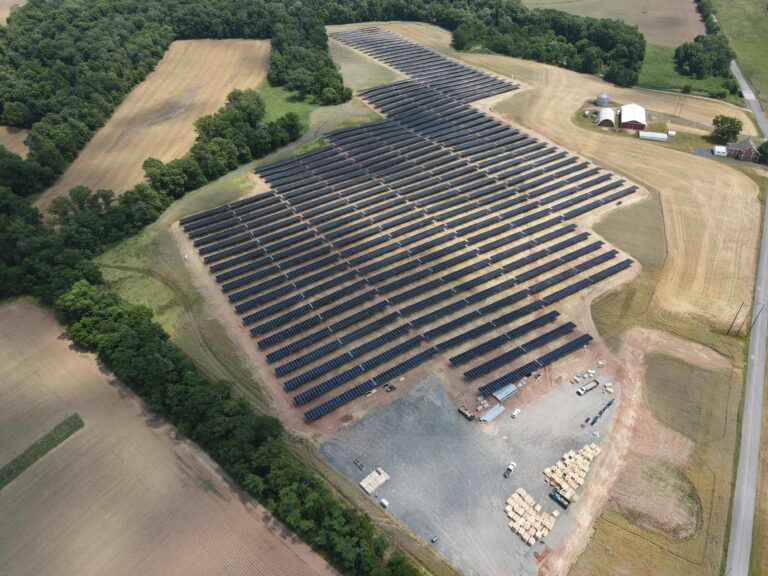
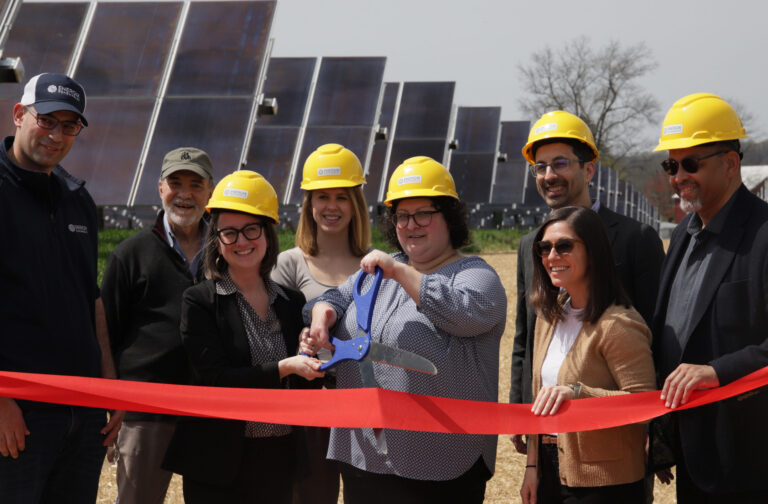
The City of Philadelphia set a goal to power municipal facilities with 100% renewable electricity by 2030. PEA and the Office of Sustainability partnered to purchase 70 megawatts of power from the Adams Solar Project, supplying approximately 20% of the City’s municipal electricity needs. Adams Solar is the first City of Philadelphia project financed through a Power Purchase Agreement, increasing the City’s share of renewable electricity to 30%.
$1M+
Estimated utility savings to date
20%
Share of municipal electricity supply
20 years
Predictable, fixed-rate electricity costs

The Opportunity
Rising electricity prices pose major budgetary challenges, particularly for large energy consumers such as the City of Philadelphia. At the same time, renewable energy has become cost competitive to build and can deliver energy at lower costs than electricity purchased through traditional utility suppliers.
Power Purchase Agreements (PPAs) are contracting tools that enable large consumers to hedge against rising electricity costs and market volatility. The consumer enters into a financial agreement with a solar project developer who agrees to design, build, and deliver electricity from the solar array, while the customer agrees to purchase the generated power at a fixed price.
City of Philadelphia contracting rules, however, limit the duration of energy supply contracts, requiring new competitive procurement every five years. PPAs typically rely on multi-decade commitments. PEA’s ability to hold long-term contracts on behalf of the City of Philadelphia provided the solution.

The Solution
PEA facilitated the PPA contracting process, structuring a three-party arrangement between the City, PEA, and project developer Energix Renewable Energies LLC to build and supply electricity from a large-scale solar energy array located in Adams County, Pa. The PPA enabled Philadelphia to secure a long-term renewable energy contract that would otherwise be impossible to execute through traditional City procurement.
PPAs are negotiated based on projected future development costs and energy prices. Rising supply chain costs during the Covid-19 pandemic threatened to disrupt solar panel manufacturing and upended construction timelines. Despite this uncertainty, the Adams Solar agreement’s structure and the project’s construction costs delivered significant cost savings
Utility rates increased roughly 20% from 2014-2025. Still, the City was able to maintain stable energy costs due to Adams Solar’s favorable price structure. In the two years after Adams Solar came online in March 2024, the project saved the City over $1.26 million. Savings are expected to grow in the years ahead.