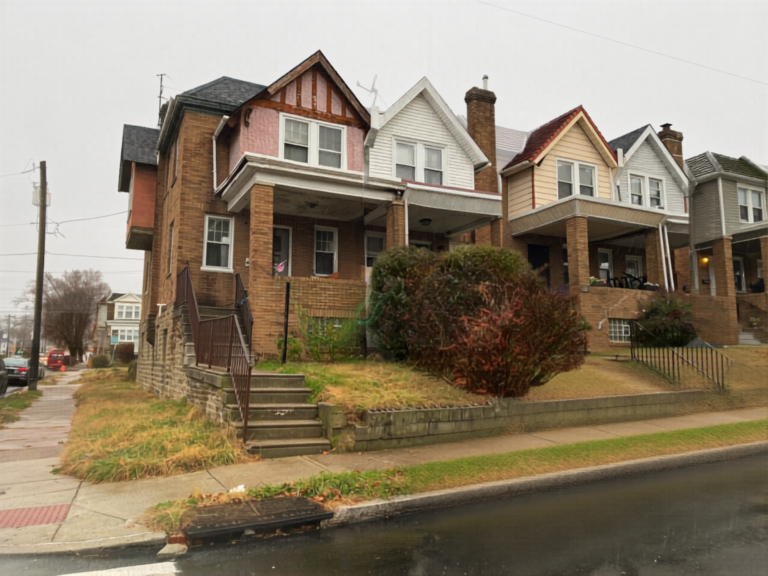

Due to high demand, there is currently a multi-year wait to receive services through Built to Last. PEA is seeking additional funding to serve more Philadelphians and reduce the wait time.
To participate in Built to Last, you must:
The project home is the only property you own.
Maximum household annual income does not exceed income guidelines.
Be current on property taxes and water bills or in a payment agreement with the City.
Participants must have lived in their home for at least 3 years prior to repairs and remain for 3 years after project completion.
Fill out the City’s One Philly Front Door questionnaire for a personalized list of qualifying programs. If eligible, Built to Last will be among the offered services.
How It Works
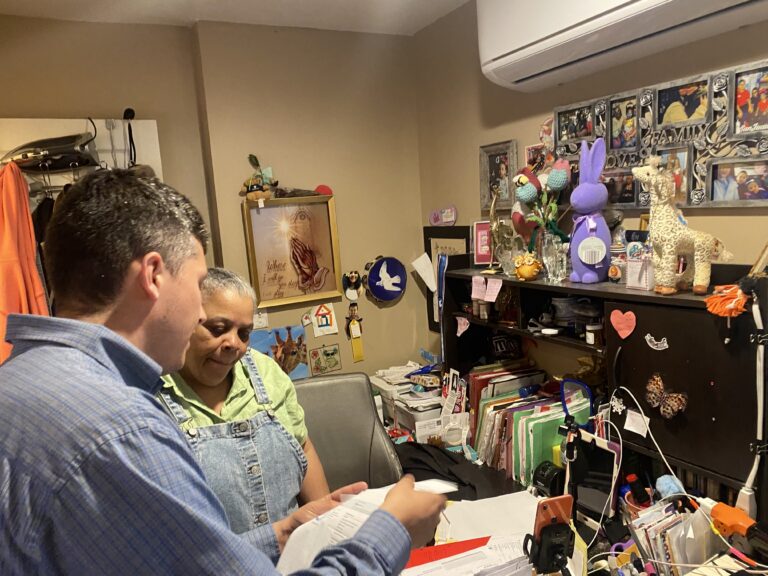
Applicants are contacted by intake staff to complete their application. They will collect all documentation necessary to confirm eligibility including:
Proof of income, recent utility bills, state ID, proof of homeownership, proof of property tax payment or payment arrangement, relevant release forms and affidavits.
An assessment determines the home’s condition by inspecting:
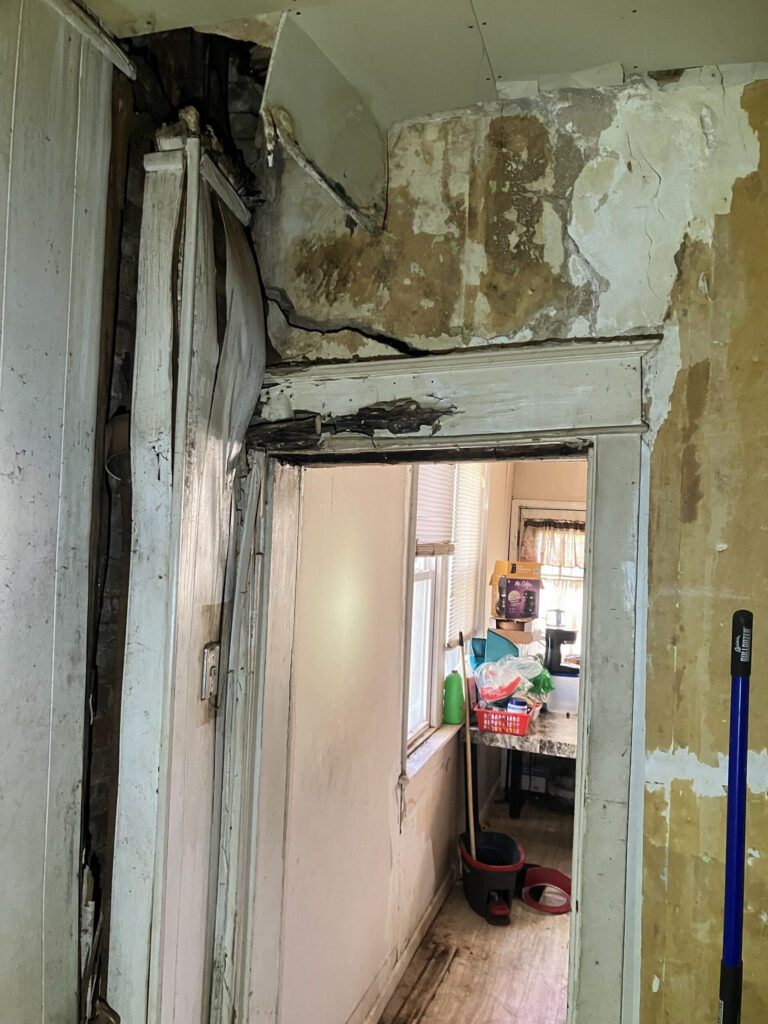
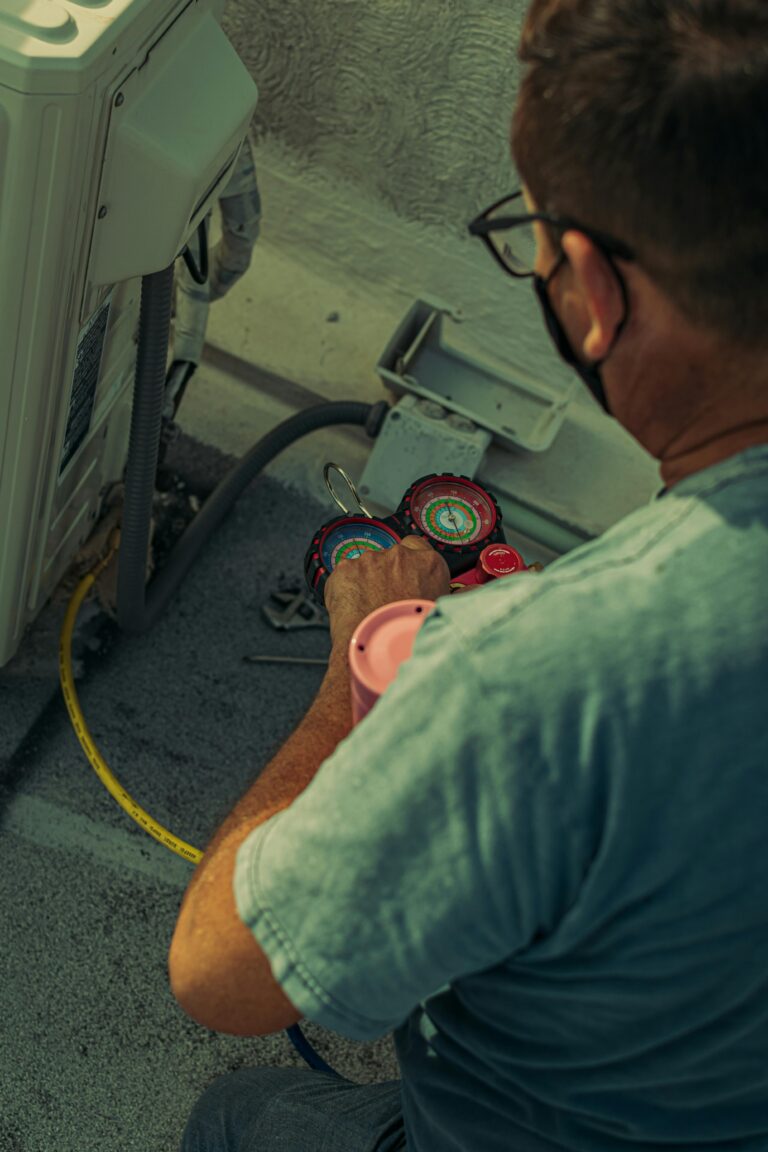
The assessment and repair teams prioritize improvements to critical health and safety issues that also address the home’s livability. Energy efficiency improvements lower electrical and heating costs, enhancing overall comfort, improving indoor air quality, and reducing environmental impacts.
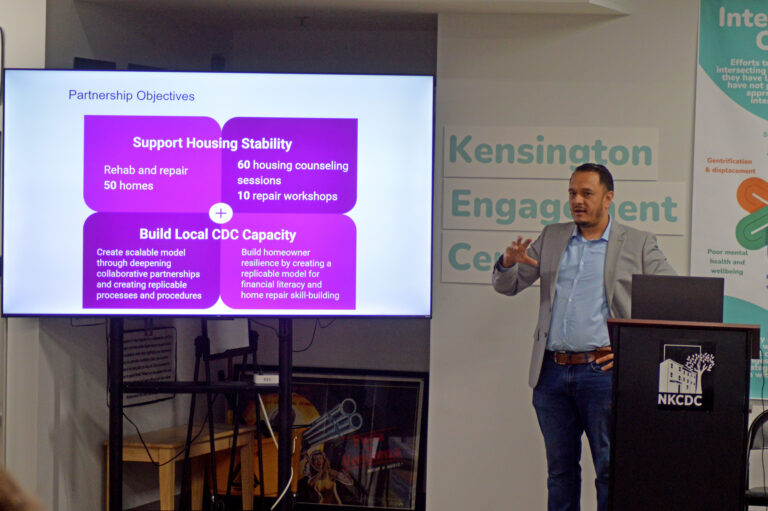
Built to Last coordinates with program partners to deliver whole-home repair services, maximizing available resources to complete the full range of services each household qualifies for.
Major roof, heating, plumbing, or electrical issues
Fire, structural, and environmental hazards
Improving accessibility and function of the home
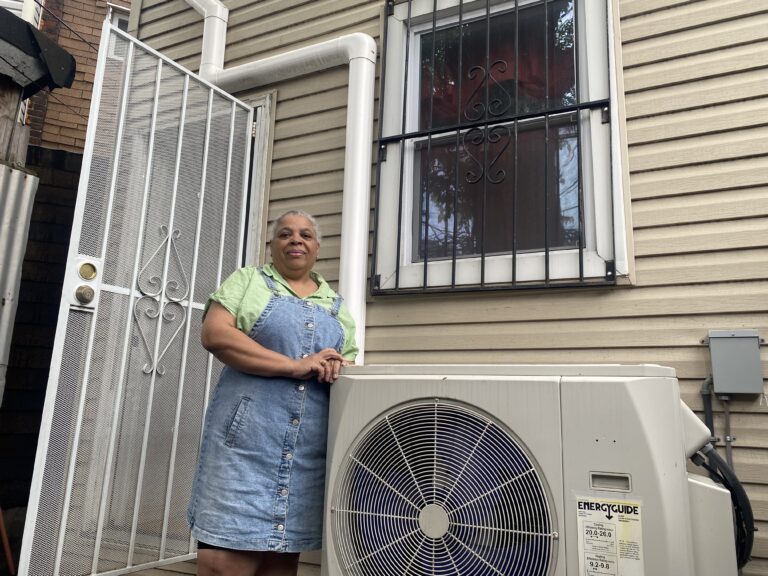
Weatherization, energy efficiency, and renewable energy