

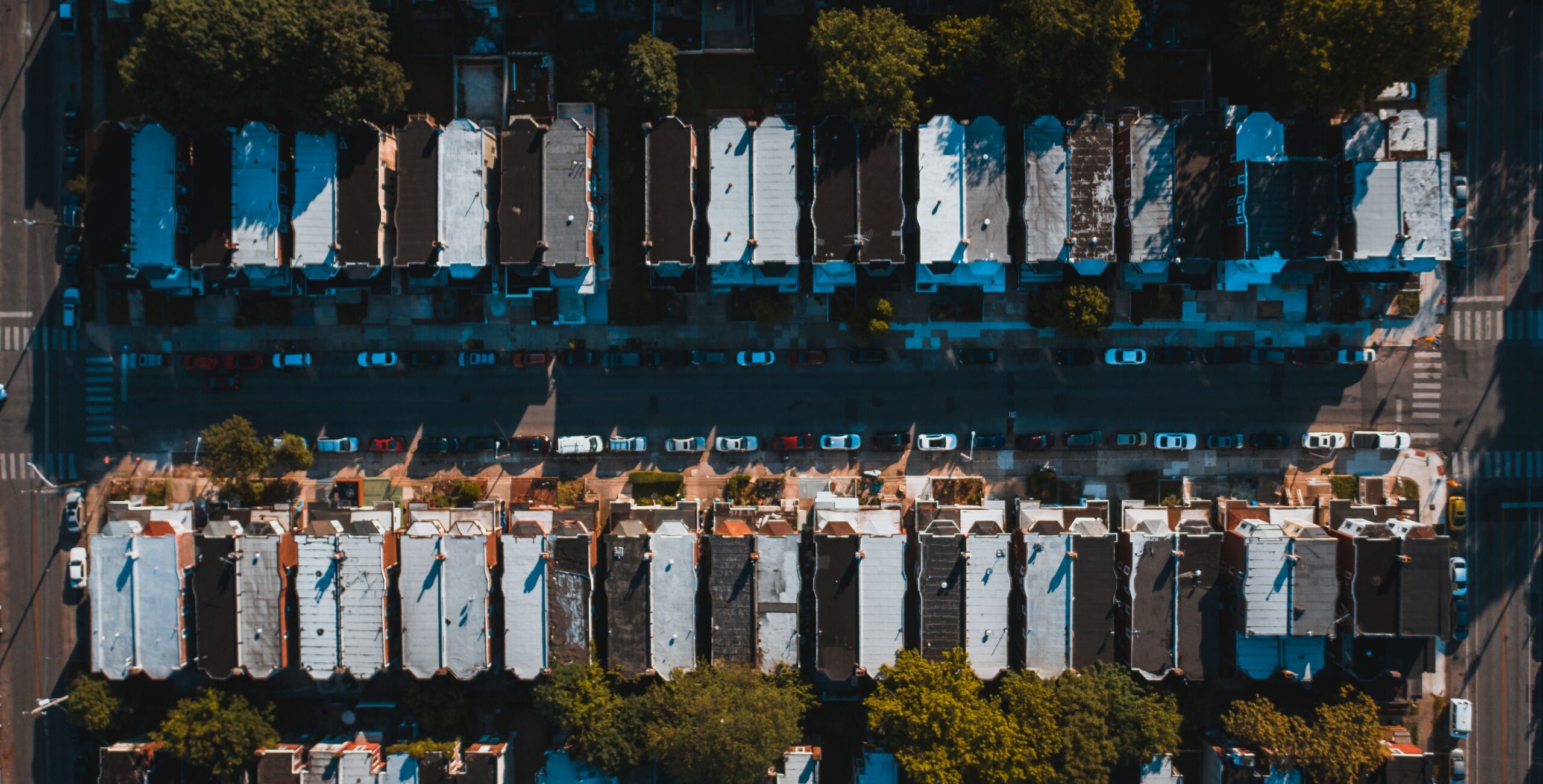
A new Built to Last evaluation confirms that whole-home repairs effectively address the root causes of housing instability, energy insecurity, and environmental health risks.
More than 60,000 low-income Philadelphians live in homes with critical health and safety issues – from failing roofs and major water damage to broken heating systems. For too many households, these problems eventually force them out of the homes they or their families have owned for generations.
Green & Healthy Homes Initiative’s report found that Built to Last provides a comprehensive approach to these conditions, helping stabilize hundreds of lives. During the program’s first three years, Built to Last delivered coordinated health and safety repairs along with clean energy upgrades to more than 400 of Philadelphia’s low-income homeowners.
Key Findings
- Low-income Philadelphia homeowners are keeping $300-$1,000 in their pockets per year – and their biggest investment in their possession – because of Built to Last.
- Prior to repairs, a majority of participating households faced serious health and safety risks, including structural deficiencies (54%) and exposure to environmental hazards such as lead, asbestos, and mold (24%).
- After repairs, participants reported improved indoor air quality, fewer safety hazards, and greater overall comfort. The evaluation recorded high levels of participant satisfaction, with 84% recommending the program.
- For every $100 of Built to Last funding, the program brings in another $61 in partner program investments to provide a whole-home intervention. The average partner program investment is more than $15,000 per home.
- Built to Last interventions are coordinated across up to 10 siloed programs, integrating nearly $14 million from philanthropic and intergovernmental sources raised by PEA and our green bank affiliate, the Philadelphia Green Capital Corp.
With expanded funding, Built to Last can meet the goal of preserving 10,000 homes by 2032.
Built to Last is energy that moves Philadelphia forward. Support us